
About

About Us


The Amir Khusro Foundation has been established by a group of eminent scholars and art lovers.
The main goals of the Foundation can be summarized as:

  1. Promoting, preserving, and disseminating the great tradition of Sufism.
  2. Promoting our composite culture (Ganga-Jamuni Tehzeeb) in Indian classical arts and Sufi cultural traditions through programs, festivals, and events, and in cooperation with like-minded organizations in India and overseas.
  3. Preserving the heritage of Braj culture through the promotion of folk music, literature, and dance.
  4. Instituting award schemes to honour veteran musicians and young talent.
  5. Supporting young musicians, music students, and scholars—especially those dedicated to Sufi culture—with scholarships, fellowships, and other incentives.
  6. Supporting research, documentation, and publication in the domain of Indian classical arts and Sufi cultural traditions.
  7. Helping to build cultural bridges between India and other countries to support better understanding and appreciation of Indian classical arts and Sufi cultural traditions.

The Amir Khusro Foundation is a registered public charitable organization supported entirely by private donations, with its office in New Delhi.

Our Inspiration

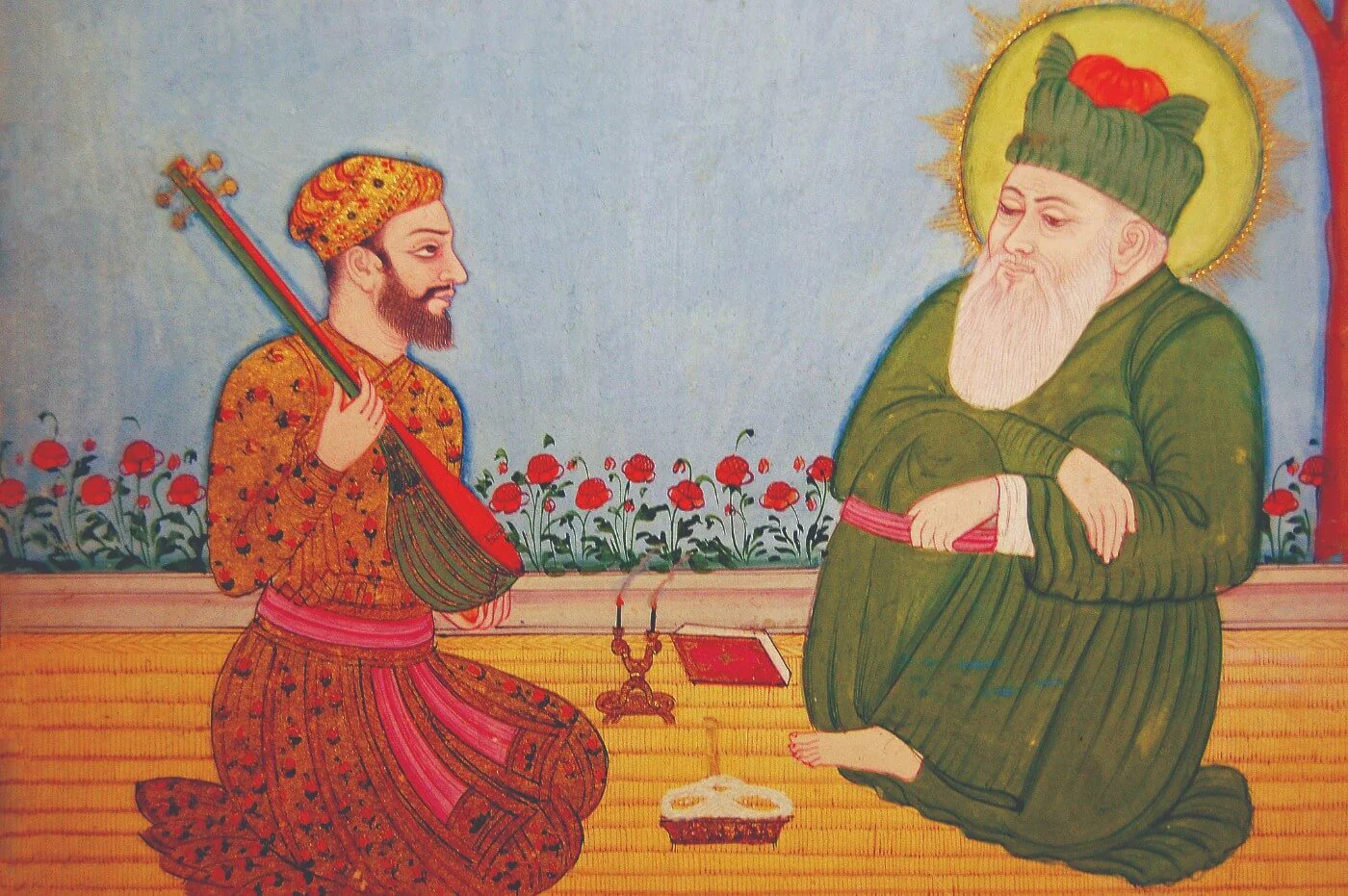
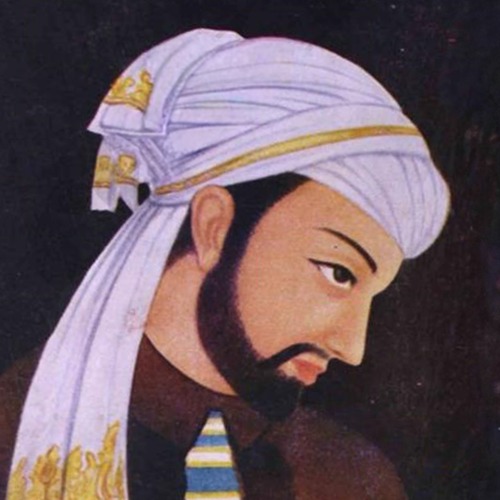
The Amir Khusro Foundation draws its inspiration to promote Indian classical arts and Sufi cultural traditions from the legendary Amir Khusro (1253–1325 AD), the musician-scholar-and-poet who lived in Delhi. He remains an iconic figure in the cultural history of the Indian subcontinent; a Sufi mystic and a spiritual disciple of Hazrat Nizamuddin Auliya of Delhi, Amir Khusro was not only a notable poet but also a prolific and seminal musician.

Amir Khusro is reputed to have invented both the Sitar and the Tabla. He wrote poetry primarily in Persian, but he was also a pioneer of Hindavi, an early version of modern-day Khadi Boli Hindi. He is regarded as the “father of Qawwali” (the devotional music of the Sufis in the Indian subcontinent).

He also introduced the Ghazal style of singing into India. These traditions are very much alive in India and Pakistan to this day. Khusro is also credited with enriching Indian classical music by introducing Persian, Arabic, and Turkish elements into it and was the originator of the Khayal and Tarana styles of music.

A musician and a scholar, Amir Khusro was as prolific in tender lyrics as in highly involved prose and could easily emulate all styles of Persian poetry which had developed in medieval Persia. He used only 11 metrical schemes with 35 distinct divisions. That is why he is also called Tuti-e-Hind.

The verse forms he wrote include Ghazal, Masnavi, Qata, Rubai, Do-Beti, and Tarkibband. His contribution to the development of the Ghazal, hitherto little used in India, is particularly significant.

amir-khusrau1
vision

Our Vision

To build an inclusive and culturally enriched society by preserving India’s classical and Sufi traditions, encouraging artistic excellence, and promoting harmony through culture, dialogue, and shared heritage.

Our Mission

To preserve and promote Indian classical and Sufi cultural traditions by supporting artists, fostering meaningful cultural engagement, and strengthening social harmony through education, dialogue, and creative expression.

mision

Who’s Who


The Chief Patron and the moving spirit behind the Foundation is Dr. Ram Singh, a celebrated writer and well-known personality from the world of Hindi literature. He has been promoting Braj culture and keeping alive the legacies of this historic cultural tradition which gave birth to icons like Surdas, Amir Khusro, Rahim and Ras Khan. With a Master’s degree in Hindi, English Literature and Sociology, Dr. Singh has been delving deep into the historical and literary traditions of the composite culture of India, known as the Ganga-Jamuni Tehzeeb.

Dr. Ram Singh has penned biographies of Swami Nemi Nath, Amir Khusro, and Chandrashekhar Azad, besides Taj Mahal: A Romance in Verse. He has also written books on self-improvement and development which include The Way of Smart Living and Life after Retirement. Dr. Singh is committed to furthering the cause of Braj Bhasha and Braj Sanskriti. He has relentlessly worked to preserve Alha, Dhola, Sapari, Bhajan, Holi and other forms of folk culture, and has been supporting artistes belonging to the Braj region.

Dr. Ram Singh’s other works include Jahar Pir, Divyatma, Ishwar Kahan Gaya, Nahi Kathin Dagar Panghat Ki, Braj Ke Lok Geeton Ka Yaun Mano Vishleshan, Shyam Teri Vanshi Baje Dhire Dhire, among others.

He has the support of an equally committed group of art-lovers and connoisseurs who are contributing their resources, time and efforts to help the Foundation achieve its goals in the years to come.

Ambica Chaudhry, the Vice President of the Foundation, is a postgraduate in Science and Education. As an educationist with twenty years of experience in imparting education, she is committed to the promotion and preservation of the rich heritage of Braj Bhasha and culture. Being born and brought up in Agra—the birthplace of Rekhta and Khadi Boli—her insights into the nuances of Braj Bhasha and the entire spectrum of Braj culture are invaluable to the Amir Khusro Foundation.

Rakesh Kumar, the Secretary of the Foundation, is an alumnus of the Delhi School of Economics. Socially committed and deeply interested in people and communities, he brings diverse experience to the activities of the Foundation. He is a regular speaker on issues of poverty, gender, social justice, national integration and nation building at various forums.

Sanjay Sehrawat, an entrepreneur in his own right, serves as the Treasurer of the Foundation. With deep social and spiritual inclinations, he devotedly and selflessly looks after the financial health of the Foundation.

Apart from this, the Foundation has a rich reserve of eminent resource persons who advise and guide the core team in achieving the goals of the organization.