Our Inspiration
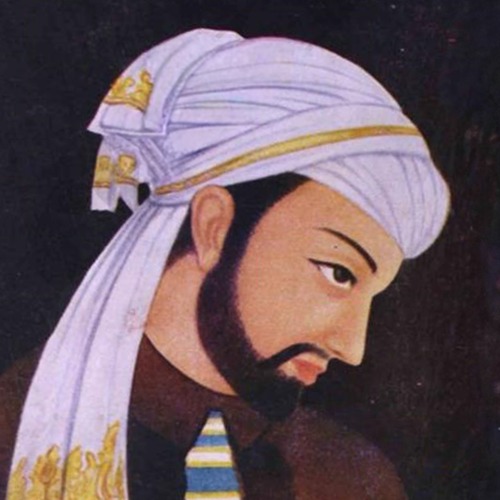
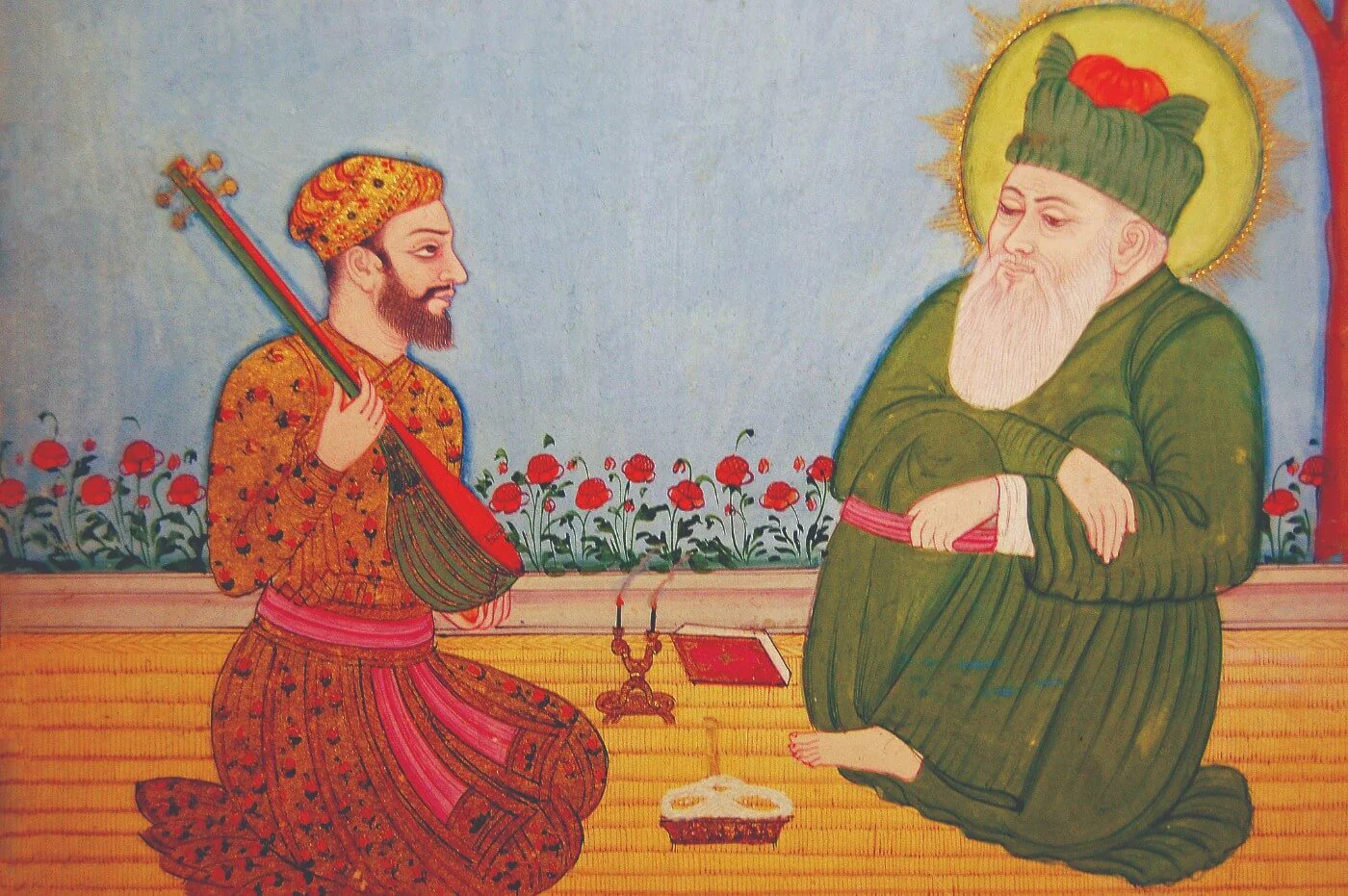
The Amir Khusro Foundation draws its inspiration to promote Indian classical arts and Sufi cultural traditions from the legendary Amir Khusro (1253–1325 AD), the musician-scholar-and-poet who lived in Delhi. He remains an iconic figure in the cultural history of the Indian subcontinent; a Sufi mystic and a spiritual disciple of Hazrat Nizamuddin Auliya of Delhi, Amir Khusro was not only a notable poet but also a prolific and seminal musician.
Amir Khusro is reputed to have invented both the Sitar and the Tabla. He wrote poetry primarily in Persian, but he was also a pioneer of Hindavi, an early version of modern-day Khadi Boli Hindi. He is regarded as the “father of Qawwali” (the devotional music of the Sufis in the Indian subcontinent).
He also introduced the Ghazal style of singing into India. These traditions are very much alive in India and Pakistan to this day. Khusro is also credited with enriching Indian classical music by introducing Persian, Arabic, and Turkish elements into it and was the originator of the Khayal and Tarana styles of music.
A musician and a scholar, Amir Khusro was as prolific in tender lyrics as in highly involved prose and could easily emulate all styles of Persian poetry which had developed in medieval Persia. He used only 11 metrical schemes with 35 distinct divisions. That is why he is also called Tuti-e-Hind.
The verse forms he wrote include Ghazal, Masnavi, Qata, Rubai, Do-Beti, and Tarkibband. His contribution to the development of the Ghazal, hitherto little used in India, is particularly significant.